
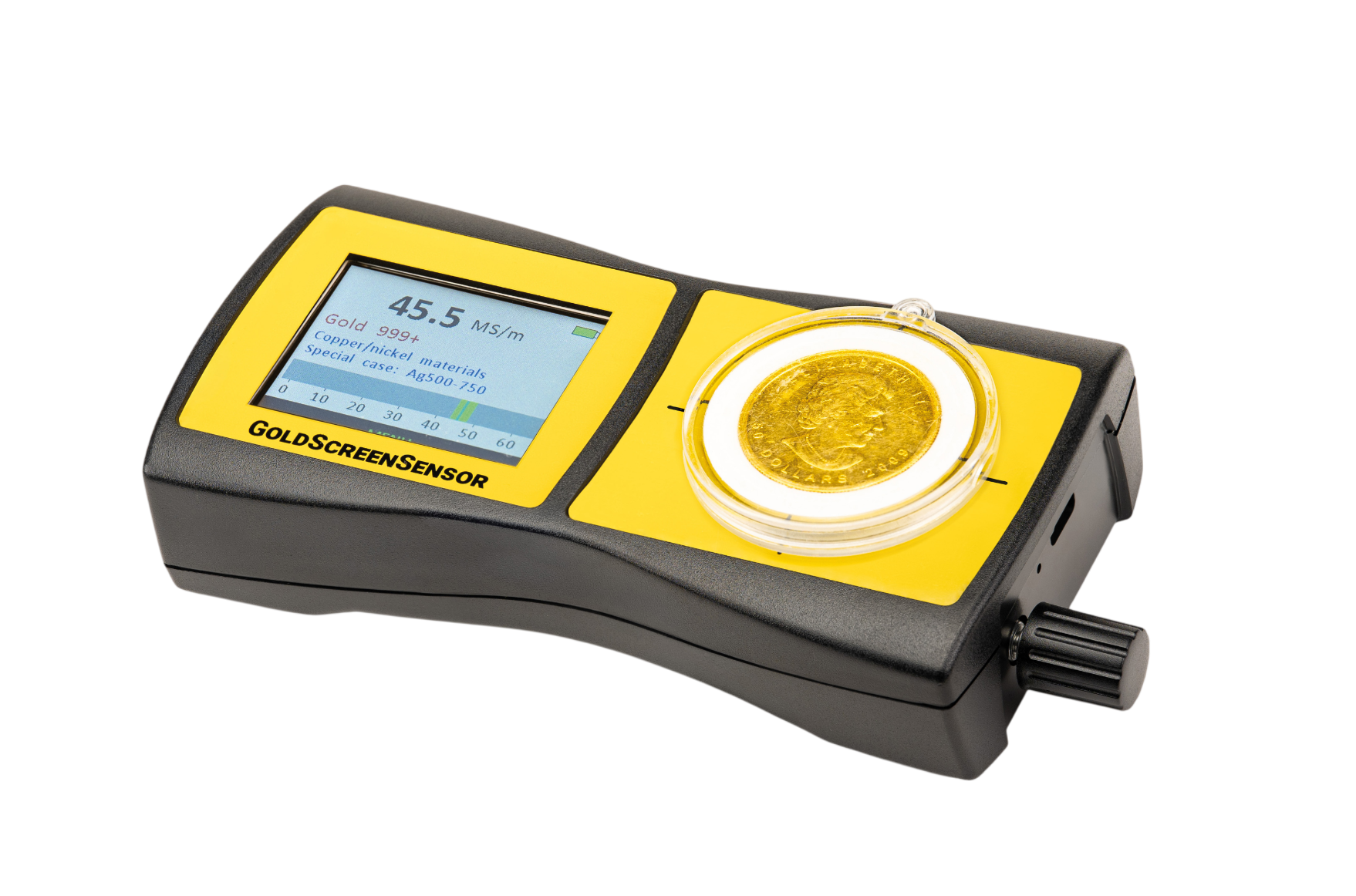
GoldScreenSensor — Coins & Small Bars
The GoldScreenSensor checks whether a coin or small bullion bar is genuinely made from the expected precious metal. Using eddy current technology, it measures the metal's electrical conductivity to detect counterfeit cores hidden beneath the surface, including hard-to-spot fakes made from tungsten or molybdenum. It works non-destructively on gold, silver, and select platinum or palladium items, and can often measure straight through thin plastic capsules or blister packaging.
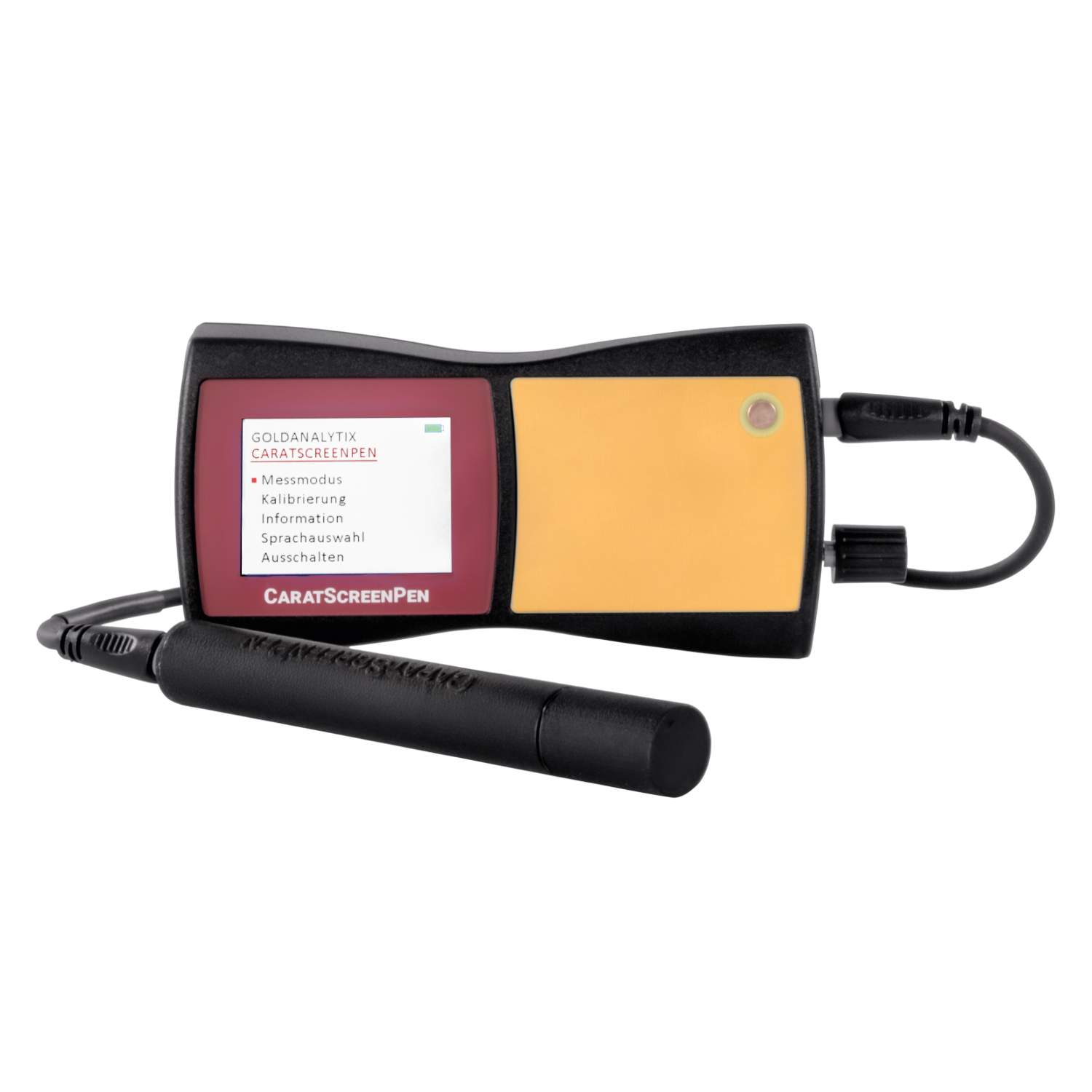
CaratScreenPen — Jewelry
The CaratScreenPen measures the surface gold content of jewelry and estimates its carat value, from 10K up to 22K. Built for jewelers, gold buyers, and pawn shops, it delivers an instant reading with no scratching and no chemicals required — ideal for quickly checking rings, chains, bracelets, and other jewelry during buying or selling.
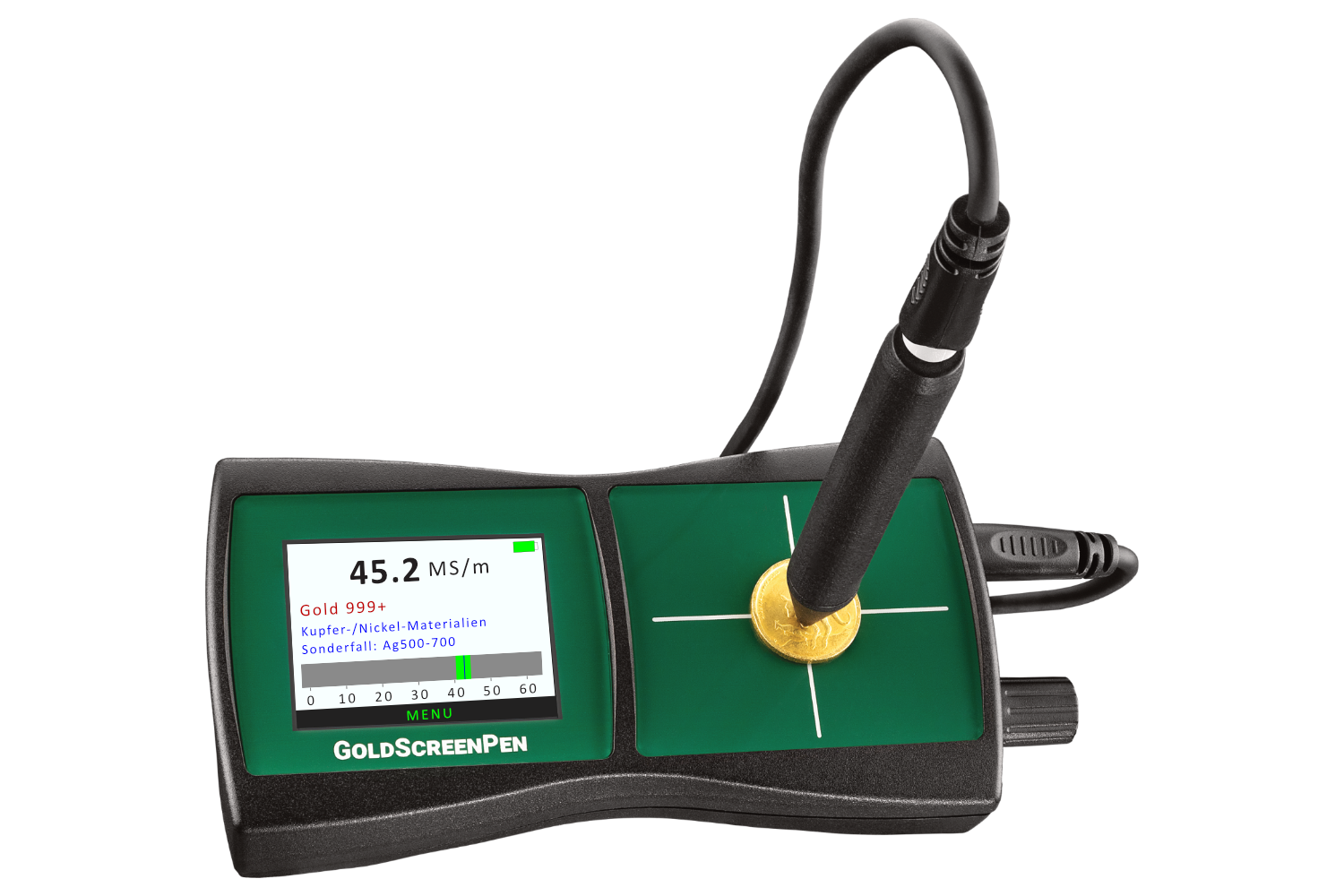
GoldScreenPen — Small Objects
The GoldScreenPen uses the same conductivity-based testing as the GoldScreenSensor, but with a much smaller probe suited to tiny or irregularly shaped items. It is designed for small bars, coins, nuggets, scrap gold, dental gold, and other pieces generally ranging from about 1 gram up to 1 ounce, offering high-precision, portable, non-destructive testing.
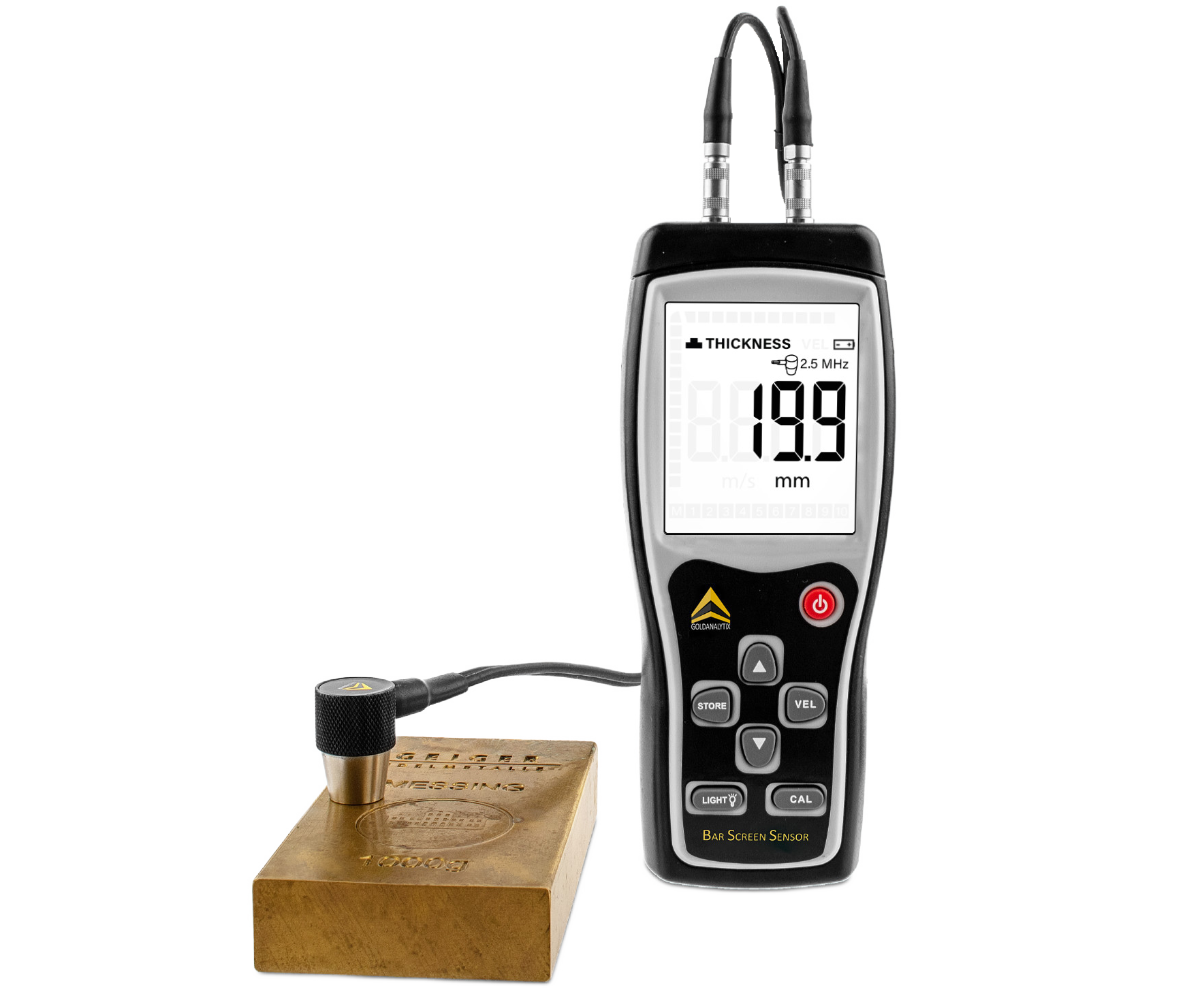
BarScreenSensor — Large Bullion Bars
The BarScreenSensor is a professional ultrasonic testing device built for larger bullion bars. Rather than measuring conductivity, it sends ultrasonic sound waves through the entire bar — since different metals transmit sound at different speeds, hidden inserts such as tungsten cores can be detected all the way through. It is trusted by bullion dealers and precious metal traders for full-depth inspection of bars generally 50 grams and up.
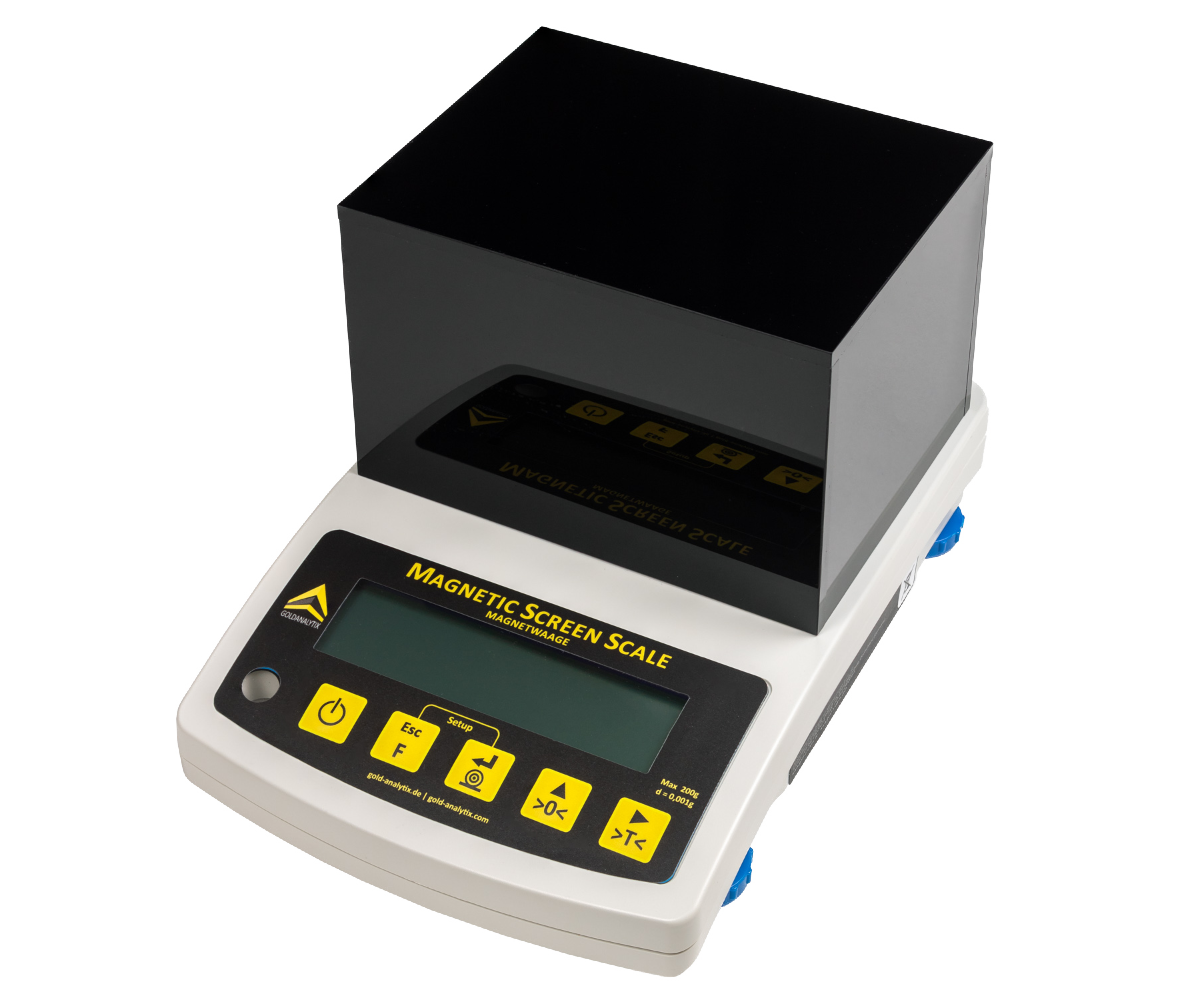
MagneticScreenScale — Tungsten Detection
The MagneticScreenScale detects tungsten-filled counterfeits by measuring magnetic differences, since gold is diamagnetic while common counterfeit fillers like tungsten, tantalum, and molybdenum behave differently. It works quickly and without damage, often without needing to remove the item from its packaging, and covers a range from about a quarter ounce up to 250 grams.
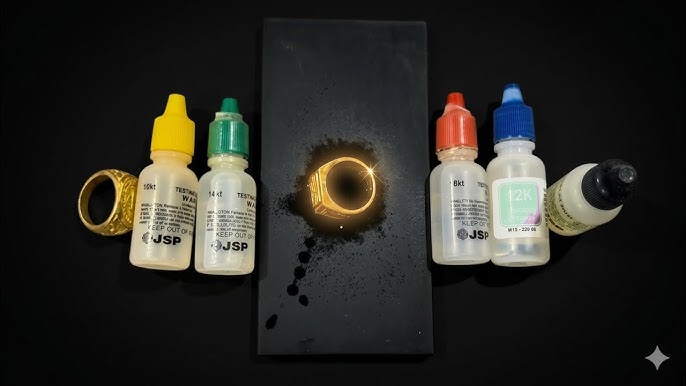
Test Acid Kits — Traditional Verification
Acid gold testing kits remain the classic, most affordable way to verify gold, silver, or platinum purity. A small scratch is made on a testing stone, and specific acid solutions are applied — the resulting reaction helps confirm the metal type and approximate karat. It is a proven, cost-effective method, best used alongside electronic testing for full confidence.